Introduction
Encountering bees is common in Washington, D.C., especially during warmer months. While most stings are minor, they can still cause pain, swelling, or, in some cases, serious allergic reactions. That’s why it’s important to know the Steps to Take Immediately After a Bee Sting in Washington, D.C. to Prevent Allergic Reactions. Beyond first aid, professional pest control services can help minimize the risk of future stings by safely removing hives and managing bee activity around your home or business.
Step 1: Stay Calm and Move Away from the Area
After being stung, avoid swatting at bees or running erratically. Bees release pheromones that can attract others to the area, increasing the chance of multiple stings. Move to a safe location calmly and quickly.
Step 2: Remove the Stinger Promptly
If the stinger is lodged in your skin, remove it as soon as possible by gently scraping with a flat object like a credit card. Avoid using tweezers if possible, as squeezing can release more venom.
Step 3: Clean the Area Thoroughly
Wash the sting site with soap and water to reduce the risk of infection. This step also helps eliminate residual venom on the skin.
Step 4: Apply Cold Compress or Ice Pack
Use a cold compress to reduce swelling and numb the pain. Apply for 10–15 minutes at a time, repeating as needed.
Step 5: Take Over-the-Counter Relief if Needed
Mild pain and itching can be relieved with:
- Antihistamines (for swelling and itching).
- Pain relievers (such as ibuprofen).
- Hydrocortisone cream (for skin irritation).
Step 6: Watch for Signs of an Allergic Reaction
Most stings cause temporary discomfort, but some individuals may experience severe allergic reactions (anaphylaxis). Seek emergency medical care immediately if you notice:
- Difficulty breathing.
- Swelling of the lips, tongue, or throat.
- Dizziness or fainting.
- Rapid pulse.
Preventing Future Bee Stings in Washington, D.C.
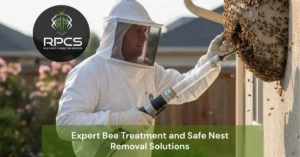
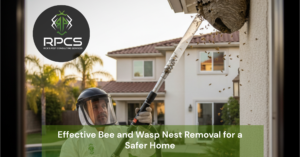
While first aid is critical, preventing repeated stings is just as important. Our professional pest control team in Washington, D.C. specializes in:
- Safe hive removal to protect families and businesses.
- Property inspections to identify hidden nests.
- Preventive treatments to reduce bee activity around homes, offices, and outdoor spaces.
Attempting to remove a DIY hive can be dangerous; leave it to trained professionals with the right equipment.

Conclusion
Knowing the Steps to Take Immediately After a Bee Sting in Washington, D.C., to Prevent Allergic Reactions ensures you stay safe in the moment while reducing the risk of complications. However, long-term protection comes from professional bee control services that keep your property safe and free from stings.
Call to Action
Don’t wait for another painful encounter. If you’ve noticed bee activity around your Washington D.C. home or business, contact our pest control experts today. We provide safe, effective hive removal and preventive services to protect your family, employees, and guests from bee stings. Call now to schedule an inspection and enjoy peace of mind!